 Skip to content
Introduction to Modern Car Key Technology
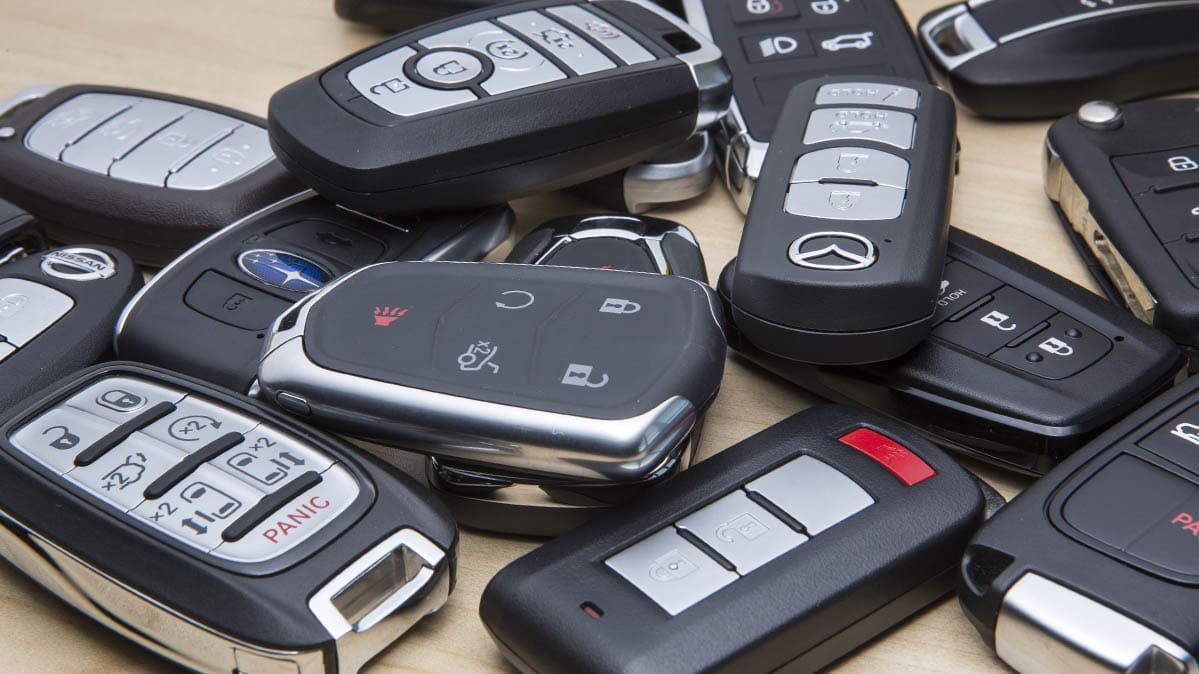
Modern vehicles have come a long way from the simple metal keys we once used. Today, transponder keys & key fobs are standard in most cars, offering advanced security and convenience features. If you’ve ever wondered why your car key looks more like a gadget than a key, you’re not alone.
Let’s break it down in simple terms.
Evolution from Traditional Keys
Back in the day, car keys were purely mechanical. They worked by physically turning locks and igniting engines. However, this system had a major flaw—it was easy to duplicate keys and steal vehicles.
As car theft increased, manufacturers needed a smarter solution.
Why Security Became Important
Vehicle theft rates pushed the automotive industry to innovate. This led to the introduction of transponder keys & key fobs, which use electronic signals instead of just physical cuts.
These technologies significantly reduce theft by ensuring only authorized keys can start a vehicle.
What Are Transponder Keys?
Definition and Function
A transponder key is a car key that contains a small electronic chip inside it. This chip communicates with your car’s engine control unit (ECU).
Without the correct signal from this chip, the car simply won’t start.
How Transponder Chips Work
The chip inside a transponder key emits a unique signal. When you insert the key into the ignition, the car sends a radio signal to the key. The key then responds with its coded signal.
If the code matches, the engine starts. If not, it stays locked.
Signal Transmission Explained
- The car sends a signal to the key
- The key responds with a unique code
- The car verifies the code
- Engine starts only if the code matches
This process happens in milliseconds, making it seamless for users.
What Are Key Fobs?
Types of Key Fobs
Key fobs are small remote devices used to control car functions wirelessly. There are several types:
- Basic remote key fobs
- Smart key fobs
- Proximity key fobs
Remote vs Smart Key Fobs
- Remote Key Fobs: Require button pressing to lock/unlock
- Smart Key Fobs: Allow keyless entry and push-button start
Smart fobs are becoming increasingly popular due to their convenience.
Key Differences Between Transponder Keys and Key Fobs
Comparison Table
| Feature | Transponder Key | Key Fob |
|---|---|---|
| Function | Engine security | Remote control |
| Technology | Chip-based | Wireless remote |
| Usage | Ignition | Lock/unlock, start |
| Security Level | High | Moderate to High |
In many modern cars, both technologies are combined into one device.
How Transponder Keys Work
Step-by-Step Process
- Insert the key into ignition
- Car sends a radio signal
- Key chip responds
- ECU verifies the code
- Engine starts
Immobilizer System
The immobilizer is a security feature that prevents the engine from starting without the correct key.
This is one of the main reasons transponder keys & key fobs are so effective against theft.
How Key Fobs Work
Wireless Communication
Key fobs use radio frequency (RF) signals to communicate with your car. When you press a button, a signal is sent to the car’s receiver.
Push-to-Start Systems
Modern cars allow you to start the engine without inserting a key. As long as the key fob is inside the vehicle, the system recognizes it.
Benefits of Transponder Keys
Anti-Theft Protection
One of the biggest advantages is security. Transponder keys make it extremely difficult for thieves to start your car without the correct code.
Convenience and Safety
You don’t have to worry about unauthorized duplication. Plus, they integrate smoothly with modern car systems.
Benefits of Key Fobs
Remote Access
Key fobs allow you to:
- Lock/unlock doors remotely
- Open trunk
- Activate alarms
Enhanced Features
Advanced key fobs include:
- Remote engine start
- Panic buttons
- Keyless entry
Common Problems and Troubleshooting
Dead Battery Issues
A common issue with key fobs is battery failure. If your remote stops working, replacing the battery usually solves the problem.
Programming Errors
Sometimes keys lose synchronization with the car. In such cases, reprogramming is required.
Cost of Replacement and Programming
Factors Affecting Cost
The cost of replacing transponder keys & key fobs depends on:
- Car brand and model
- Type of key
- Programming requirements
Typical costs range from $50 to $300 or more.
For more details, you can check this helpful guide:
🔗 https://www.consumerreports.org/cars/car-safety/how-much-does-it-cost-to-replace-a-car-key-a1922416709/
How to Program Transponder Keys and Key Fobs
DIY vs Professional Programming
- DIY: Possible for some cars
- Professional: Recommended for advanced systems
Dealers and locksmiths have specialized tools for accurate programming.
Security Risks and How to Prevent Them
Signal Hacking
Hackers can intercept signals from key fobs using relay attacks.
Preventive Measures
- Use signal-blocking pouches
- Turn off wireless signals when not needed
- Park in secure areas
Future of Car Key Technology
Digital Keys and Smartphones
The future is shifting toward smartphone-based car access. Apps can now replace physical keys entirely.
Biometric authentication and cloud-based access are also emerging trends.
FAQs About Transponder Keys & Key Fob
1. What is the difference between a transponder key and a key fob?
A transponder key is used for engine security, while a key fob controls remote functions like locking and unlocking.
2. Can a car start without a transponder key?
No, most modern cars won’t start without the correct transponder signal.
3. How long do key fob batteries last?
Typically, they last 2–3 years depending on usage.
4. Is it expensive to replace a key fob?
Yes, replacement can cost between $100 and $300 depending on the vehicle.
5. Can I program a transponder key myself?
Some vehicles allow DIY programming, but many require professional tools.
6. Are key fob secure?
Yes, but they can be vulnerable to hacking if proper precautions aren’t taken.
Conclusion
Understanding transponder keys & key fob is essential in today’s automotive world. These technologies not only enhance convenience but also provide a strong layer of security against theft.
From basic transponder chips to advanced smart key systems, the evolution of car keys reflects how far automotive technology has come. While they may seem complex at first, they’re designed to make your life easier and your vehicle safer.
As technology continues to evolve, we can expect even smarter and more secure solutions in the future—perhaps even eliminating physical keys altogether.


