 Skip to content
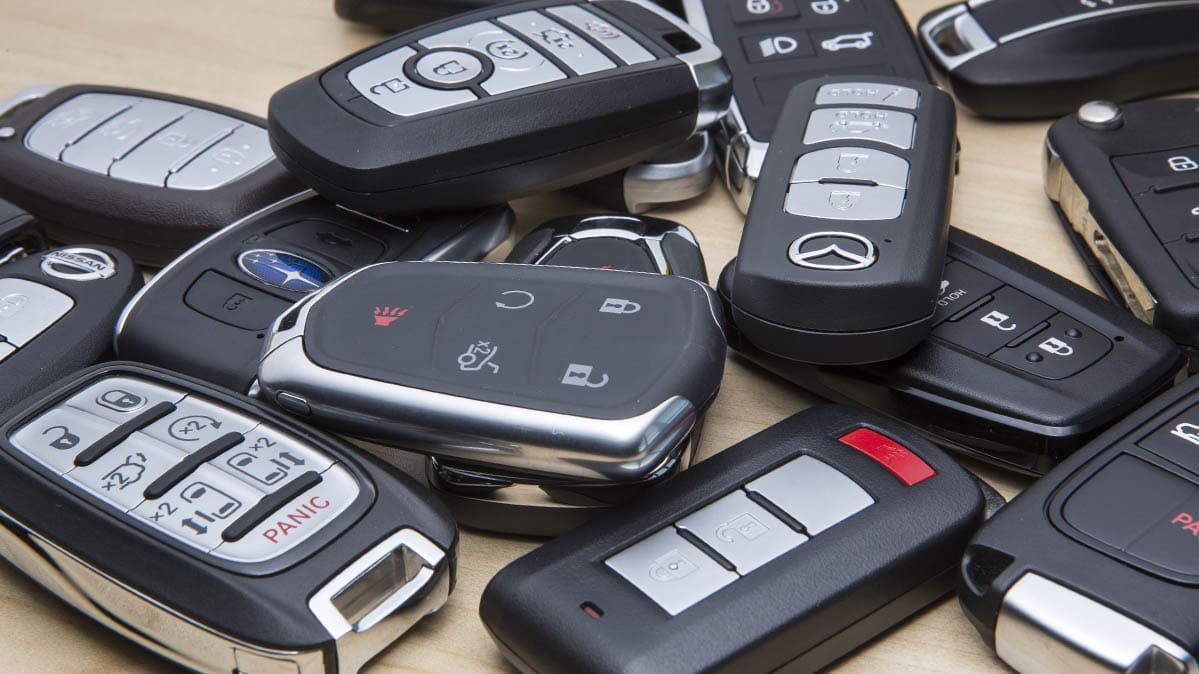
Car key fobs have become an essential part of modern driving. These small devices allow drivers to lock, unlock, and even start their vehicles without inserting a traditional key. However, many drivers experience frustration when their key fob suddenly stops responding. Understanding the common reasons car key fobs stop working can save time, money, and stress.
A malfunctioning key fob doesn’t always mean you need an expensive replacement. In many cases, the issue can be fixed quickly with basic troubleshooting. From dead batteries to signal interference, several factors may cause problems with your remote entry system.
In this detailed guide, we’ll explain the most common causes behind key fob failure, practical solutions, and preventive measures to help keep your device functioning properly for years.
Understanding How Car Key Fobs Work
Modern car key fobs use radio frequency signals to communicate with a receiver inside the vehicle. When you press a button, the fob sends an encrypted signal to the car’s computer system. If the signal matches, the requested action occurs.
Some advanced systems also use proximity sensors. This means the vehicle can recognize the key fob nearby and unlock automatically.
Main Components of a Car Key Fob
- Battery
- Microchip
- Transmitter
- Buttons
- Circuit board
- Antenna
Because these devices combine electronics and wireless technology, several issues can interfere with proper performance.
Dead Battery: The Most Common Culprit
The number one reason car key fobs stop working is a dead or weak battery. Over time, batteries naturally lose power.
Signs of a Weak Key Fob Battery
You may notice:
- Reduced operating range
- Delayed response
- Intermittent functionality
- Need to press buttons multiple times
Most key fobs use coin-style lithium batteries such as CR2032 or CR2025.
How to Replace the Battery
Replacing the battery is usually simple:
- Open the key fob carefully
- Remove the old battery
- Insert the new battery correctly
- Snap the casing back together
Always check the owner’s manual for the recommended battery type.
Battery Lifespan
Typically, key fob batteries last between 2–4 years depending on usage.
Signal Interference Can Block Communication
Wireless interference is another major issue. Key fobs rely on radio signals, and outside sources may disrupt communication.
Common Sources of Interference
- Wi-Fi routers
- Cell towers
- Security systems
- Airport transmitters
- Metal structures
Sometimes, simply moving a few feet away can restore functionality.
How to Test for Interference
Try using the key fob in another location. If it works elsewhere, interference is likely the cause.
Interestingly, some urban areas have stronger signal congestion than rural environments.
Damaged Internal Components
Over time, internal parts may wear out or become damaged.
Common Internal Failures
Circuit Board Damage
The internal circuit board can crack due to impact or age.
Loose Battery Contacts
Battery terminals may bend or corrode.
Antenna Issues
A damaged antenna weakens signal transmission.
If you open the fob and notice corrosion or broken parts, professional repair may be necessary.
Broken Buttons Prevent Proper Commands
Frequent use eventually wears down rubber or plastic buttons.
Symptoms of Broken Buttons
- Buttons feel stuck
- No clicking sensation
- Certain functions stop working
- Unlock works but lock doesn’t
Sometimes the outer button cover is damaged while the internal switch remains intact.
Can Buttons Be Repaired?
Yes. Repair kits are available online, or a locksmith can replace damaged button pads.
For additional information about electronic key systems, visit National Highway Traffic Safety Administration.
Water Damage Is More Serious Than You Think
Water and electronics don’t mix well. Even a small amount of moisture can destroy a key fob’s circuitry.
How Water Damage Happens
Common scenarios include:
- Leaving keys in wet clothes
- Dropping them in water
- Rain exposure
- Liquid spills
Immediate Steps to Take
If your key fob gets wet:
- Remove the battery immediately
- Dry the device thoroughly
- Use silica gel packets if available
- Avoid using heat directly
Quick action may prevent permanent damage.
Programming and Sync Issues
Sometimes the key fob itself works fine, but it loses synchronization with the vehicle.
Why Reprogramming Becomes Necessary
- Battery replacement
- Vehicle computer reset
- Electrical issues
- Long-term inactivity
Symptoms of Sync Problems
- Buttons do nothing
- Vehicle doesn’t recognize the key
- Push-button start fails
Some cars allow self-programming procedures, while others require dealership equipment.
Vehicle Battery Problems Affect Key Fobs Too
Surprisingly, the problem may not be the key fob at all.
Weak Car Battery Symptoms
If the vehicle battery is weak:
- Remote entry may fail
- Push-button ignition may malfunction
- Security systems may behave oddly
Modern vehicles rely heavily on electronic communication systems.
Simple Test
Try turning on the headlights. If they appear dim, the car battery may be weak.
Faulty Receiver Inside the Vehicle
Your vehicle contains a receiver module that detects key fob signals.
Signs of a Faulty Receiver
- Multiple key fobs stop working
- Intermittent unlocking
- Push-start issues
This problem usually requires professional diagnosis using specialized tools.
Extreme Temperatures Can Damage Electronics
Temperature extremes can negatively affect batteries and circuits.
Cold Weather Effects
In winter:
- Battery efficiency decreases
- Signals weaken
- Electronics become sluggish
Hot Weather Effects
Excessive heat may:
- Warp internal components
- Damage circuits
- Shorten battery lifespan
Avoid leaving key fobs in direct sunlight or freezing environments.
Physical Damage From Drops and Impact
Dropping your keys repeatedly can eventually break delicate internal parts.
Common Physical Damage Issues
| Type of Damage | Possible Result |
|---|---|
| Cracked casing | Moisture exposure |
| Broken solder joints | Signal failure |
| Bent battery terminals | Intermittent power |
| Internal chip damage | Complete malfunction |
Even if the outer shell looks fine, internal damage may still exist.
DIY Troubleshooting Tips Before Calling a Professional
Before spending money on repairs, try these simple troubleshooting methods.
Step-by-Step Checklist
Replace the Battery
Always start here because it’s the most common fix.
Use the Spare Key Fob
If the spare works, the original fob likely has internal damage.
Check Vehicle Battery Health
A weak vehicle battery can create confusing symptoms.
Clean the Contacts
Dust and corrosion may interfere with power flow.
Reprogram the Key Fob
Consult your owner’s manual for instructions.
Inspect for Damage
Look for cracks, loose buttons, or moisture.
These steps solve many common key fob issues without professional assistance.
When You Should Replace the Key Fob
Sometimes repairs simply aren’t worth it.
Signs You Need Replacement
- Severe water damage
- Cracked circuit board
- Total signal failure
- Repeated malfunction after repairs
Replacement costs vary significantly depending on the vehicle brand.
Dealer vs Locksmith Replacement
| Option | Advantages | Disadvantages |
|---|---|---|
| Dealership | OEM quality | Higher cost |
| Locksmith | Lower cost | Limited availability |
| Online Purchase | Cheapest | Requires programming |
Always ensure compatibility before purchasing a replacement.
Preventive Maintenance Tips for Longer Lifespan
A little care goes a long way.
Best Practices
Keep It Dry
Use waterproof pouches if necessary.
Avoid Extreme Temperatures
Store keys indoors whenever possible.
Replace Batteries Early
Don’t wait until the battery fully dies.
Use Protective Cases
Silicone covers absorb impact damage.
Clean Regularly
Remove dirt buildup from buttons and contacts.
Preventive care can extend the life of your key fob substantially.
Professional Repair and Diagnostic Services
If DIY fixes don’t work, professional assistance may be necessary.
Who Can Help?
Automotive Locksmiths
They often provide:
- Key programming
- Battery replacement
- Remote repairs
Dealership Service Centers
Best for advanced electronic diagnostics.
Electronic Repair Specialists
Some specialize in repairing circuit boards and water damage.
Although dealership services may cost more, they typically offer manufacturer-approved solutions.
Advanced Key Fob Technologies and Future Trends
Key fob technology continues evolving rapidly.
Modern Features
New systems now include:
- Remote engine start
- Smartphone integration
- Biometric authentication
- GPS tracking
While convenient, advanced technology can also introduce additional complexity.
Are Physical Keys Disappearing?
Many manufacturers are transitioning toward fully digital access systems. Still, physical backup keys remain important for emergencies.
Frequently Asked Questions (FAQs)
Why did my car key fob suddenly stop working?
The most likely reason is a dead battery. However, signal interference, water damage, or programming issues could also be responsible.
Can a dead car battery affect the key fob?
Yes. A weak or dead vehicle battery may prevent the car from receiving signals from the key fob.
How much does it cost to replace a key fob?
Replacement costs usually range between $50 and $500 depending on the car model and programming requirements.
Can I reprogram a key fob myself?
Some vehicles allow self-programming, while others require dealership or locksmith equipment.
How long do key fob batteries last?
Most batteries last between 2 and 4 years under normal use.
What should I do if my key fob gets wet?
Remove the battery immediately and dry the device completely before attempting to use it again.
Why does my key fob only work sometimes?
Interference, loose battery contacts, or internal component damage may cause intermittent operation.
Is it safe to buy replacement key fobs online?
Yes, but always verify compatibility with your vehicle before purchasing.
Conclusion
Understanding the common reasons car key fobs stop working can help drivers avoid unnecessary stress and costly repairs. In many situations, the solution is surprisingly simple, such as replacing the battery or cleaning the contacts. However, more serious issues like water damage, receiver failure, or internal circuit damage may require professional attention.
Modern key fobs offer incredible convenience, but like any electronic device, they require proper care and maintenance. By following preventive practices and recognizing warning signs early, you can keep your key fob functioning reliably for years.
Whether you’re dealing with a weak signal, broken buttons, or complete failure, the right troubleshooting steps can often restore your key fob quickly and efficiently.


